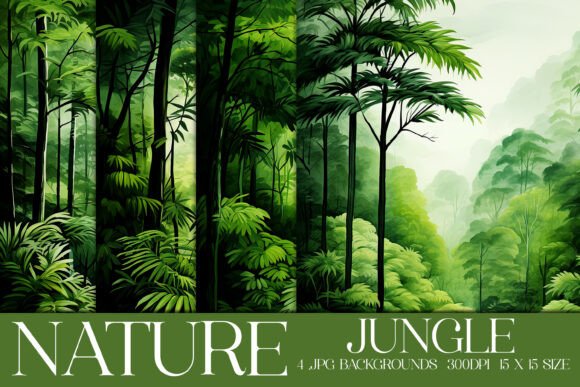
Transform Your Projects with Lush Jungle Backgrounds
When you are working on a project that requires depth and immersion, standard solid colors often fall short. You need a canvas that tells a story, something that transports the viewer immediately. This is where the power of high-quality nature assets comes into play. We are looking at a unique package of floral and nature backgrounds designed specifically to bridge the gap between digital convenience and organic beauty. These assets are not just placeholders; they are foundational elements that set the mood for everything from commercial branding to personal keepsakes.
The Visual Appeal of Organic Textures
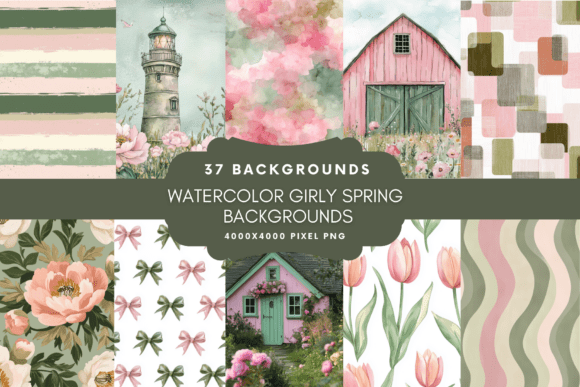
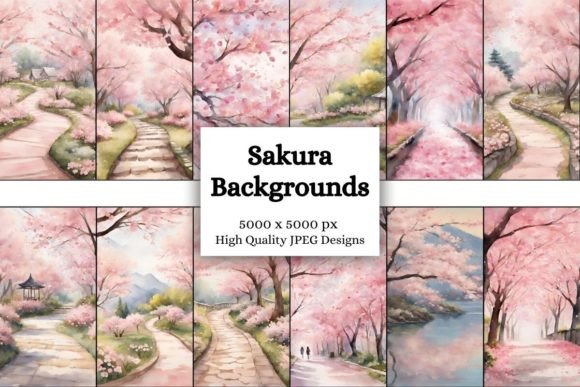
The core strength of this collection lies in its ability to mimic the complexity of the natural world. Unlike generic stock photos, these backgrounds are styled with a specific floral aesthetic that feels both lush and versatile. Imagine the rich layering of tropical foliage or the soft, intricate patterns of a botanical garden. This style works exceptionally well because it provides a busy yet balanced visual texture. It creates a sense of movement and life without overwhelming the content placed on top of it.
For a designer, this type of asset solves a common problem: visual hierarchy. When you use a flat color, your text and graphics must do all the heavy lifting. However, when you introduce a textured background, you immediately add a layer of professionalism and depth. The "floral style" mentioned in this package suggests an aesthetic that can lean towards vintage elegance or modern vibrancy depending on the color palette. It allows you to create a brand identity that feels approachable and grounded. Whether you are designing a logo or laying out an editorial page, this organic texture adds a tactile quality that digital screens often lack.
Practical Applications for Every Creator
One of the biggest hurdles in design is finding assets that are flexible enough for both print and digital media. This package addresses that directly by offering high-resolution files (300dpi at 4500x4500 pixels). This specification is crucial. It means you can scale these designs for large format printing without losing clarity, yet they are optimized for web use where load times and visual crispness matter.
Let’s break down where these backgrounds truly shine. If you are a small business owner looking to create cohesive branding, consistency is key. You can use the same background theme across your social media graphics, website headers, and email marketing templates to build recognition. For those in the physical product space, the applications are even broader:
- Sublimation and Apparel: These prints are ideal for sublimation projects, such as creating vibrant t-shirt designs or all-over prints. The seamless nature of floral patterns makes them perfect for wrapping around curved surfaces like tumblers or mugs.
- Crafting and Scrapbooking: For the hobbyist, these files are a dream. They provide a rich backdrop for scrapbooking layouts or card making. Instead of a plain paper texture, you get a dynamic scene that enhances your photos and memories.
- Marketing Materials: Entrepreneurs can use these for garden flags, stickers, or invitations. A floral background adds an instant touch of class to an event invite or a "Thank You" card included in a customer's order.
Think about the user experience on a website. Using a subtle nature background for a blog header can instantly set a calming or adventurous tone for your content. It signals to the visitor that you care about the aesthetic details of your brand.
Design Strategy and Integration
Simply having a beautiful background isn't enough; knowing how to integrate it separates an amateur design from a professional one. When working with detailed nature backgrounds, readability is your primary concern. You want the lush visuals to support your message, not compete with it.
A common technique is to use a semi-transparent overlay or a text box with a slight opacity. This allows the background image to show through while ensuring your typography remains legible. Speaking of typography, pairing these organic backgrounds with the right font is essential. A clean sans-serif font often works best against a busy floral pattern because the simplicity of the letters contrasts with the complexity of the background, creating a balanced composition. Alternatively, a bold serif font can create a sophisticated, editorial look that feels timeless.
When evaluating if these backgrounds fit your project, consider the "vibe" you want to convey. Nature backgrounds generally evoke feelings of growth, freshness, and authenticity. They are particularly effective for brands in the wellness, beauty, gardening, or lifestyle sectors. However, don't be afraid to mix contexts. A tech company might use a subtle botanical background to suggest "organic growth" or "human-centric" design, breaking away from the sterile, cold blue tones often found in that industry.
Technical Considerations and Workflow
From a technical standpoint, the package includes RGB .JPG files. RGB is the standard color mode for screens, ensuring that the colors you see on your monitor are vivid and accurate. While print shops often prefer CMYK, modern digital printing methods (like sublimation) handle RGB files exceptionally well, often resulting in more vibrant colors than standard CMYK conversion.
The square format (15x15 inches) is a strategic choice for modern design. It fits perfectly within the constraints of social media platforms like Instagram, but it is also large enough to be cropped into vertical or horizontal orientations for flyers and web banners. This versatility means you aren't constantly resizing or stretching images, which can degrade quality.
As you integrate these assets into your workflow, remember to treat them as part of your broader design assets library. They aren't just one-off images; they are building blocks for a cohesive visual language. By using these backgrounds consistently, you help build a recognizable brand identity that resonates with your audience. They provide that professional polish that can often be the deciding factor for a customer choosing between a hobbyist and a pro. Thank you for reading, and I hope this gives you a clear vision of how to elevate your creative projects.