Embracing Timeless Charm with Vintage Pastel Lined Backgrounds
There is a distinct quality to designs that evoke a sense of history without feeling outdated. In a digital landscape often dominated by stark minimalism and hyper-modern gradients, the resurgence of organic textures offers a refreshing visual break. Among these, Vintage Pastel Lined Backgrounds stand out as a versatile design asset, bridging the gap between nostalgia and contemporary sophistication. These are not merely decorative elements; they are foundational layers that set a specific mood and tone for your entire creative project.
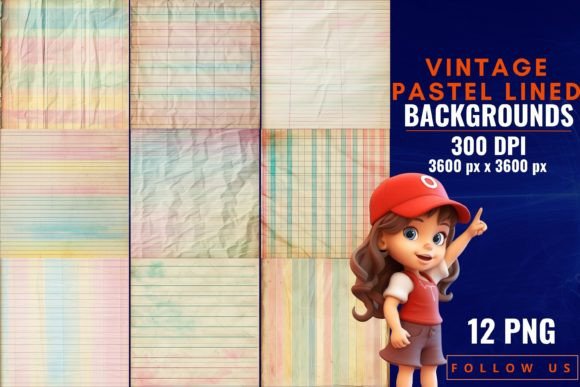
Understanding the visual language of these backgrounds is key to using them effectively. The term "vintage" in this context refers less to a specific era and more to an aesthetic philosophy rooted in stationery and handwritten correspondence. The "lined" aspect introduces a subtle geometric structure—think faint blue or pink horizontal guides reminiscent of school notebooks or legal pads from the mid-20th century. When paired with soft pastel color palettes—muted lavenders, dusty roses, sage greens, and soft creams—the result is a surface that feels tactile and warm. This combination creates an environment that invites the viewer to linger, offering a tactile quality that flat digital whites often lack.
Visual Anatomy and The Psychology of Softness
The power of Vintage Pastel Lined Backgrounds lies in their ability to influence the perception of the content placed upon them. In design psychology, pastel hues are associated with calmness, approachability, and care. They soften the visual impact of heavy typography and high-contrast imagery. By utilizing these backgrounds, you are immediately signaling to your audience that the content is curated, thoughtful, and perhaps less aggressive than the hard-edged graphics found in corporate tech branding.
From a technical standpoint, the lined texture serves a functional purpose beyond aesthetics. It helps establish a natural visual hierarchy and rhythm. Much like the "baseline grid" in professional editorial design, these lines guide the eye, making text blocks easier to scan. This is particularly useful when working with script fonts or handwritten fonts, which can sometimes feel chaotic without an underlying structure. The lines act as an anchor, keeping the design grounded while allowing creative elements to flow naturally.
Strategic Applications Across Industries
While the nostalgic charm is obvious, the utility of these backgrounds spans a wide range of professional applications. For brand identity, particularly for small businesses in the lifestyle, wellness, or artisanal sectors, these textures communicate authenticity. A bakery, a boutique stationery shop, or a vintage clothing retailer can use these backgrounds to reinforce their brand narrative instantly. They suggest that the product or service is handcrafted and genuine.
In the realm of digital marketing and social media graphics, attention is the currency. A feed filled with generic stock photos often gets scrolled past. However, a promotional post set against a soft, lined vintage background creates a distinct "thumb-stopping" moment. It provides a cohesive aesthetic for Instagram grids or Pinterest boards, ensuring that your digital presence feels curated rather than accidental.
Packaging design is another area where these assets shine. Imagine a label for a homemade jam or a spa product; the lined background adds a layer of texture that implies the product is natural and artisanal. It transforms a simple label into a story, suggesting heritage and care. Similarly, in web design, these backgrounds can be used to break up sections of a single-page site, adding depth and preventing the "flat screen" fatigue that users often experience with long scrolling pages.
Integrating Vintage Assets with Modern Typography
One of the challenges designers face when using vintage elements is avoiding a look that feels kitschy or dated. The solution lies in contrast and font pairing. To modernize Vintage Pastel Lined Backgrounds, pair them with clean, geometric sans serif fonts. This contrast between the textured, organic background and the precise, modern typography creates a dynamic tension that feels current. For example, using a bold, uppercase sans serif for headlines against the soft, lined paper effect creates a powerful focal point.
Conversely, if you are aiming for a fully immersive retro experience, pairing these backgrounds with a classic serif font or an elegant script font can create a cohesive, old-world aesthetic suitable for wedding invitations or high-end stationery sets. The key is to ensure that the typeface you choose has enough contrast in color and weight to remain legible against the texture of the lines.
Practical Workflow and Asset Management
When incorporating these design assets into your workflow, consider the layering process. These backgrounds often work best when they are treated as a subtle base layer rather than a dominant feature. You might lower the opacity slightly or blend them using "Multiply" or "Soft Light" modes in your design software. This allows the texture to show through your primary content without competing for attention.
For entrepreneurs and content creators who are not full-time designers, using high-quality premium font and background bundles can save significant time. Instead of spending hours trying to create a texture from scratch, starting with a polished asset allows you to focus on the message. However, always review the licensing. If you are using these backgrounds for commercial projects—such as selling PDF planners, creating merchandise, or designing client logos—ensure you have the appropriate commercial license. This protects your business and respects the intellectual property of the asset creator.
Conclusion: Crafting with Character
Ultimately, design is about communication. Vintage Pastel Lined Backgrounds communicate a specific set of values: nostalgia, softness, structure, and timelessness. Whether you are a graphic designer working on a client's brand book, a blogger creating a media kit, or a hobbyist scrapbooking family memories, these backgrounds offer a reliable foundation. They provide the visual "warmth" that many modern digital assets lack, helping you create work that feels human, approachable, and undeniably stylish.