Denim Jeans Fabric Patches Backgrounds: A Design Asset Deep Dive
Understanding the Raw, Textured Appeal
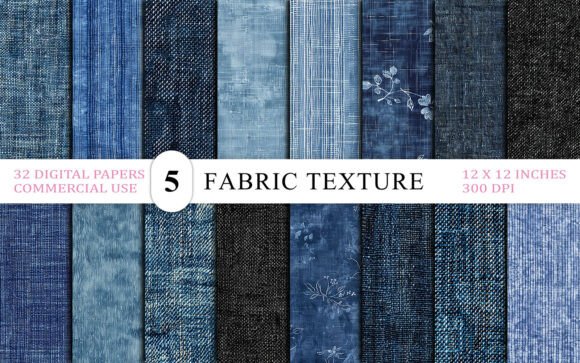
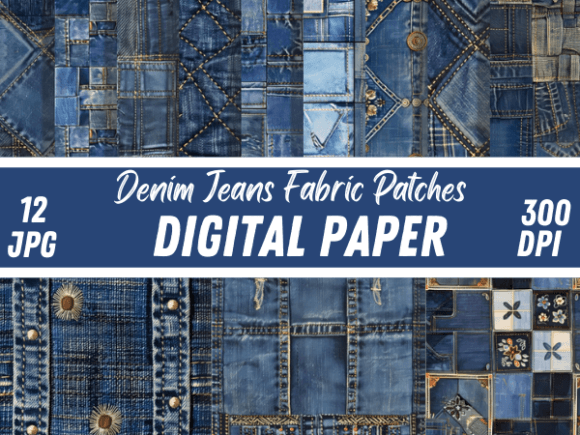
When you first encounter the Denim Jeans Fabric Patches Backgrounds collection, the immediate impression is one of tangible, authentic texture. This isn't a sterile digital pattern; it's a curated set of 15 digital papers that capture the very essence of worn, lived-in denim. The visual language is rich with the characteristics of real fabric: the subtle grain of the twill weave, the faded blues and grays of stonewashed cotton, the deliberate roughness of torn edges, and the charming imperfections of stitched patches. The overall personality is a blend of vintage retro nostalgia and a distinctly rustic, handmade feel. It evokes a sense of comfort, durability, and timeless, casual style. The collection includes variations that lean into whimsical and pastel tones, offering a softer, more nostalgic take, alongside the classic, rugged, and grungy textures that define urban and workwear aesthetics.
The appeal of this particular set of design assets lies in its versatility and emotional resonance. Denim is a universal fabric, associated with everything from weekend relaxation to creative rebellion. By translating this into a digital format, these backgrounds provide an immediate shortcut to that association. The seamless pattern and repeatable nature of the files ensure they can be scaled for any project without visible seams, making them a practical foundation for both large-format and intricate designs. The high resolution of 3600x3600 pixels at 300 DPI means the detailed textures remain crisp and clear, whether viewed on a screen or printed physically, a critical factor for any professional application.
Practical Applications for Modern Creators
The true value of a resource like the Denim Jeans Fabric Patches Backgrounds is measured by how it performs in real-world projects. For designers and brand strategists, these textures can become a core component of a brand identity that aims to feel approachable, authentic, and grounded. Imagine a coffee shop's menu, a craft brewery's label, or a lifestyle blog's header—using a subtle denim texture in the background immediately communicates a relaxed, unpretentious vibe. In packaging design, a denim pattern can elevate a product's perceived quality, suggesting craftsmanship and durability, perfect for artisanal goods, outdoor gear, or even cosmetics with a natural, earthy appeal.
For digital creators, the applications are equally broad. These digital papers are ideal for creating engaging social media graphics, especially for platforms like Instagram and Pinterest where visual texture captures attention. They can serve as backgrounds for quote graphics, promotional posts, or story templates, adding a layer of depth that flat colors cannot achieve. In web design, they can be used for hero sections, sidebar widgets, or footer patterns to break up digital monotony and inject personality. The collection's inclusion of themes for Valentine's Day, Mother's Day, and Birthday patterns makes it a year-round resource for creating seasonal marketing materials, e-cards, and party decorations with a unique, handmade feel.
Integrating Texture with Typography and Hierarchy
Using a textured background effectively requires thoughtful consideration of visual hierarchy and readability. The Denim Jeans Fabric Patches Backgrounds are inherently busy, which means the overlaying text and graphic elements need to be carefully chosen to stand out. This is where understanding font pairing becomes essential. A clean, bold sans serif font often works best for headlines, as its strong, simple lines provide a clear contrast against the intricate fabric texture. For longer body text, a highly legible serif font or a straightforward sans serif at a sufficient size is crucial to maintain readability. Avoid overly delicate script fonts or handwritten fonts for small text, as they can get lost in the texture, though they can be stunning for large, decorative titles.
The background itself can influence the mood of the entire piece. A faded, weathered denim pattern might lend itself to a nostalgic, storytelling project like a junk journal layout or a scrapbook page. A darker, more rugged texture could underpin a design for a men's grooming brand or a music festival poster. When using these backgrounds for commercial projects like greeting cards, wedding stationery, or wall art, it's wise to test the color balance. As noted, actual colors may vary with printing, so creating a physical proof is a recommended step. The versatility extends to physical products via sublimation and iron-on transfer processes, allowing creators to produce unique apparel, tote bags, and mugs that feel custom and crafted.
Selecting and Licensing Your Creative Resource
When evaluating this collection for your toolkit, consider the specific needs of your project portfolio. The set offers a range of styles within the denim theme—from the shabby chic and tattered to the more contemporary and cool casual. Reviewing the included previews will help you identify which patterns align with your aesthetic. A key practical consideration is the file format. The JPGs are widely compatible, but for projects requiring transparency or complex layering in professional software, you might need to create a clipping mask or use a selection tool to isolate the texture. The 300 DPI resolution is the professional standard for print, ensuring your designs for invitations, planners, or book covers will be sharp and high-quality.
Finally, understanding the licensing is non-negotiable for any professional or commercial use. Always review the specific terms provided with the purchase. Typically, digital assets like these are licensed for use in end products for sale, but there may be restrictions on redistributing the raw files themselves. This collection, with its premium details and broad utility, is a valuable addition to a designer's library of creative assets